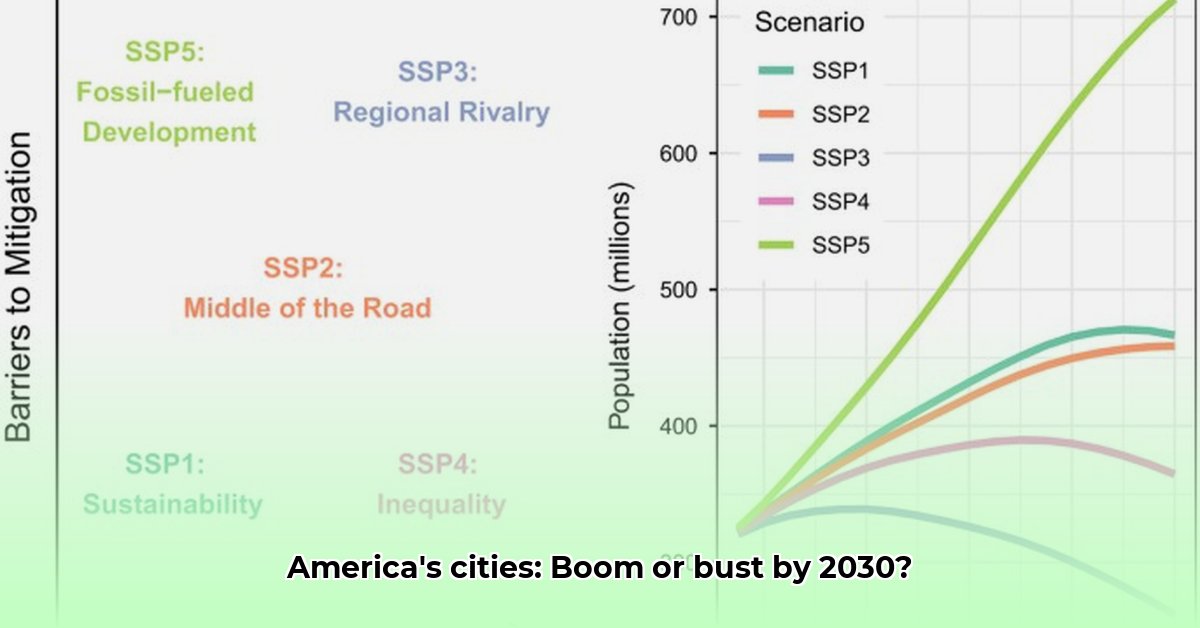
Imagine America in 2030. Atlanta, a city bursting with new residents, faces traffic jams and housing shortages, while Youngstown, Ohio, grapples with a shrinking population and dwindling economic opportunities. These contrasting scenarios illustrate the complex realities of future US city populations, a dynamic narrative playing out across the nation. This article explores the key national trends, examines specific regional case studies, analyzes the roles of key stakeholders, and assesses the risks and potential mitigation strategies for navigating this demographic shift. For further examples of urban planning challenges, see this resource.
National Trends: A Shifting Landscape
The United States is experiencing a multifaceted demographic transformation. An aging population, coupled with uneven population growth across regions, creates significant challenges and opportunities. The nation's increasing diversity adds another layer of complexity, demanding innovative solutions tailored to specific regional nuances. This isn't a static picture; it's a dynamic process continually reshaping the American urban landscape. How will these changes impact our cities, our infrastructure, and the communities we call home?
Regional Case Studies: Contrasting Destinies
To illustrate this complex reality, let's examine two contrasting scenarios:
Atlanta: A City on the Rise
Atlanta's rapid growth presents a fascinating case study in urban expansion. Fueled by economic opportunities and a vibrant job market, the city is attracting a massive influx of residents. This growth, however, strains existing infrastructure, leading to increased traffic congestion, housing shortages, and heightened demand for public services like schools and healthcare. This rapid expansion presents both remarkable opportunities and significant challenges for city planners and policymakers. How can Atlanta effectively manage this explosive growth while ensuring a high quality of life for all its residents?
Youngstown: Facing the Headwinds of Decline
In stark contrast to Atlanta, Youngstown, Ohio, exemplifies the struggles faced by cities experiencing population decline. Decades of industrial decline and a shrinking workforce have led to a shrinking tax base and increased pressure on municipal services. This demographic shift reveals the need for innovative solutions to revitalize struggling urban areas, attract new businesses, and create sustainable economic opportunities for its residents. What strategies can effectively revitalize cities grappling with population decline and economic hardship?
Stakeholder Analysis: A Collaborative Imperative
The impact of these population shifts is felt across various stakeholder groups, each with unique challenges and opportunities:
Federal Government: The federal government plays a crucial role in equitable resource allocation, investing in national infrastructure projects, and supporting local initiatives to address regional disparities. How can federal policies effectively address the uneven distribution of resources across the nation?
State Governments: State governments must adapt their workforce development programs to meet the changing needs of diverse regions. They also face the challenge of managing budget constraints caused by an aging population and uneven growth. What innovative strategies can states employ to effectively address their unique regional challenges?
Local Governments: Local governments are on the front lines, responsible for adapting infrastructure and services to the realities of growth or decline. They also play a critical role in attracting businesses and fostering economic development to alleviate economic strain. How can local governments effectively plan for the future and ensure that all residents have access to essential services?
Private Sector: Businesses face the challenge of both attracting and retaining talent in a competitive market. Successful businesses need to adapt to the changing demographics and the demands of a diverse population. How can businesses contribute to the economic growth of their communities and ensure they have a robust workforce?
Non-profit Organizations: Non-profits play a vital role in supporting vulnerable communities, particularly during times of significant change. Their focus on community needs ensures that the most vulnerable are not left behind. How can non-profit organizations leverage their expertise and resources to support and assist those affected by these demographic shifts?
Risk Assessment and Mitigation Strategies
Failing to address these demographic trends carries significant risks. A proactive approach, incorporating the following mitigation strategies, is essential:
| Risk | Risk Level | Mitigation Strategy |
|---|---|---|
| Infrastructure Strain | High | Targeted infrastructure investments in transportation, utilities, and public services |
| Economic Decline | High | Strategic economic development initiatives, job training programs, and business attraction |
| Strain on Public Services | High | Optimized resource allocation, innovative service delivery models, and increased funding |
| Resource Imbalance | Medium | Data-driven resource allocation models and equitable funding formulas |
| Social Fragmentation | Medium | Community engagement programs promoting inclusivity and social cohesion |
A Path Forward: Building Resilient Cities
The future of America's cities depends on our ability to adapt to changing demographics. A collaborative approach, involving all stakeholders, is crucial. By investing in infrastructure, promoting economic development, and fostering inclusive communities, we can create a more resilient and equitable future for all Americans. The challenges are significant, but the potential for growth and progress is equally vast. The time to act is now; the future of our cities depends on it.